
Uncategorized

Uncategorized

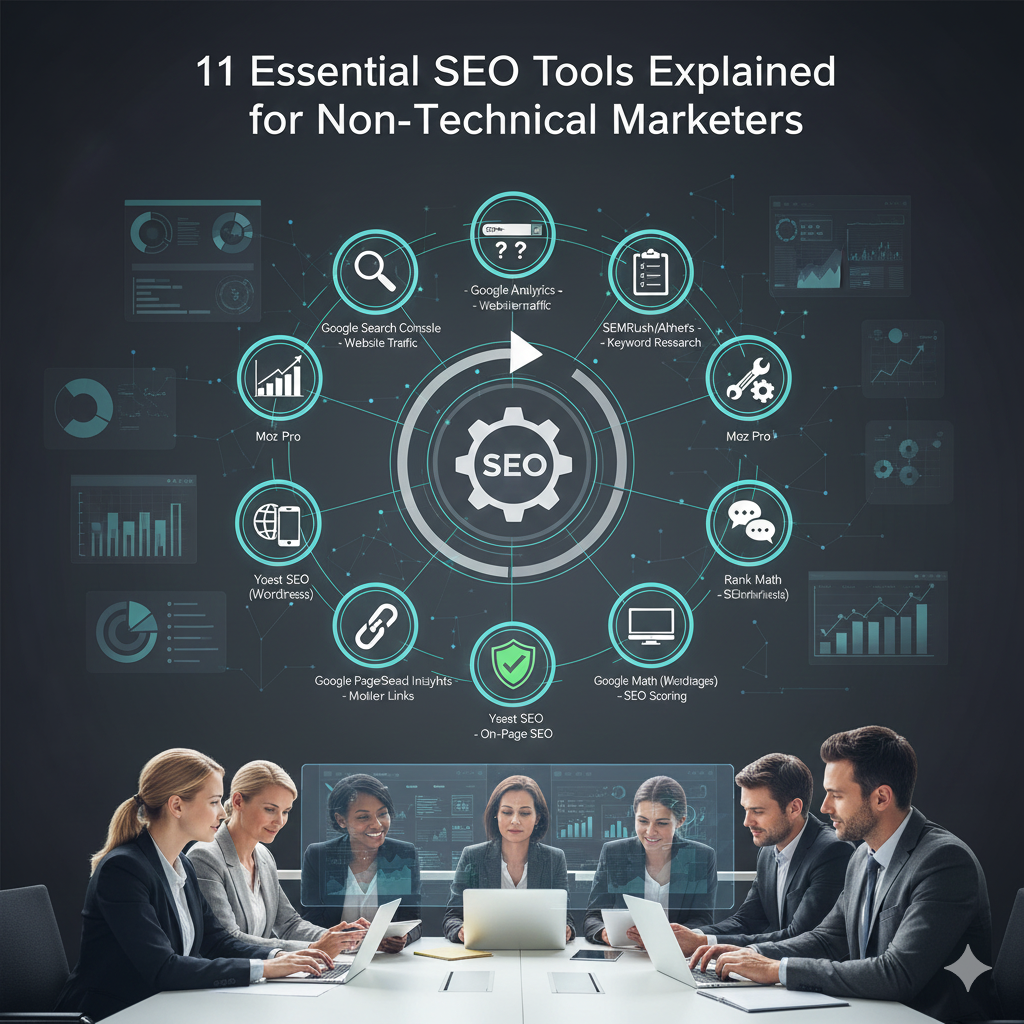
11 Essential SEO Tools Explained for Non-Technical Marketers

Search Engine Optimization (SEO) can feel overwhelming if you’re not very technical. The good news? Today’s SEO tools are designed to make the process simple—even if you don’t know coding or advanced analytics. Here are 11 essential SEO tools explained simply for non-technical marketers to use effectively in 2025: 1.Google Search Console Free tool to monitor how your website performs in Google search, see which keywords bring traffic, and identify technical issues affecting ranking. 2.Google Analytics (GA4) Tracks visitor behavior on your site so you can understand what content works and where users drop off. Vital for measuring SEO impact. 3.Semrush All-in-one SEO platform offering keyword research, competitor analysis, backlink tracking, and site audits. Ideal for growing your SEO visibility. 4.Ahrefs Strong competitor and backlink analysis tool with detailed keyword research. Great for finding content gaps and link-building opportunities. 5.Yoast SEO (WordPress plugin) Helps optimize content on WordPress sites by analyzing readability, keyword density, meta tags, and more in real-time. 6.Screaming Frog SEO Spider Desktop crawler tool that scans your website to find broken links, duplicate content, and other technical SEO errors. 7.Clearscope AI-powered content optimization tool that helps improve your blog posts and pages by suggesting keywords and content changes for better rankings. 8.Mangools User-friendly, budget-friendly SEO toolkit offering keyword research, SERP analysis, and backlink insights—excellent for beginners. 9.SEOptimer Provides easy-to-understand SEO audits with actionable recommendations to improve on-page SEO and website usability. 10.BuzzSumo Content research and ideation tool that shows popular content based    on shares and backlinks, helping you plan SEO-friendly topics. 11.AnswerThePublic Keyword research tool that visualizes search questions and phrases people use, ideal for finding content ideas around specific queries. These tools collectively help with keyword research, technical SEO fixes, content optimization, competitor analysis, and performance tracking without needing advanced technical skills. Many offer free versions or trials to get started easily. Use them to create data-driven SEO strategies, monitor progress, and improve your website’s search rankings effectively in 2025.
Uncategorized

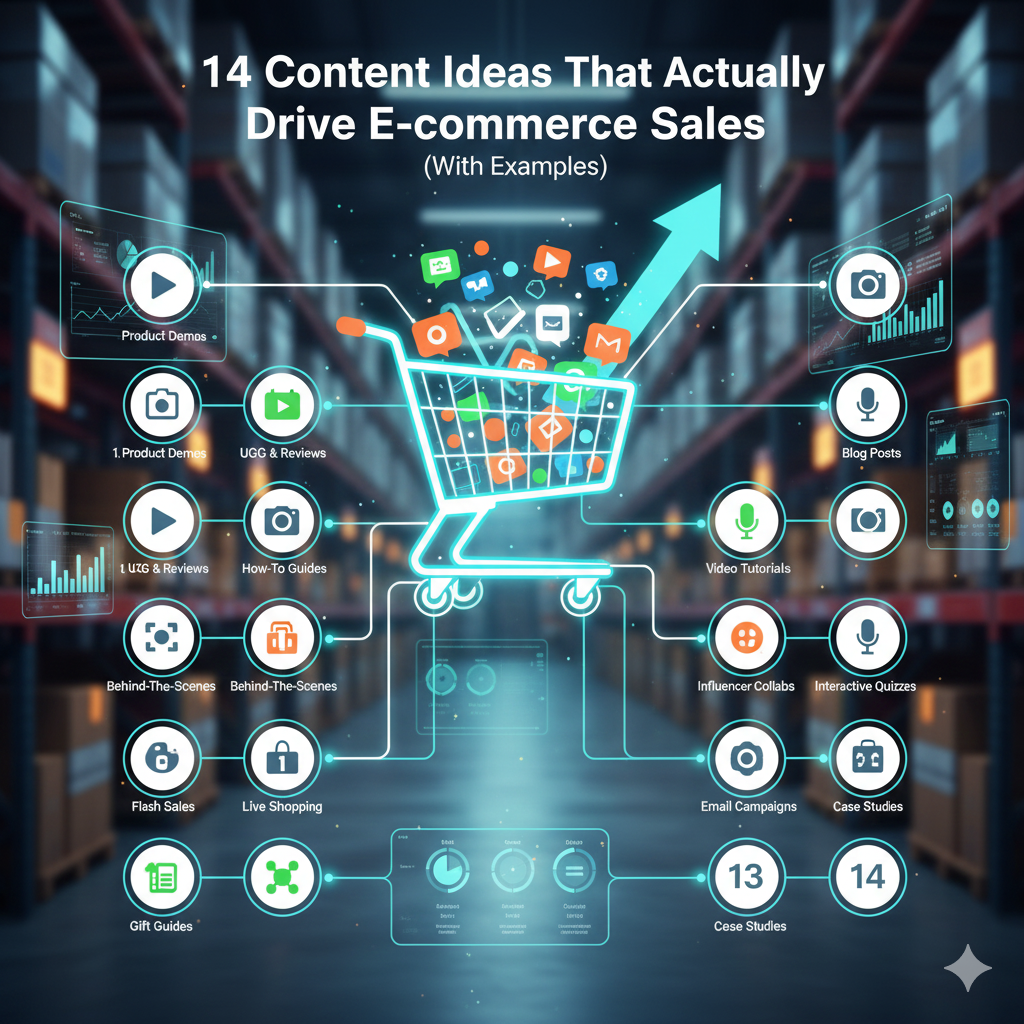
14 Content Ideas That Actually Drive E-commerce Sales (With Examples)

In today’s competitive online market, the content you create matters more than ever. Good content doesn’t just attract visitors — it helps convert them into paying customers. Here are 14 simple content ideas that can boost your e-commerce sales, along with easy examples you can follow. 1. Product Tutorials Show customers how to use your product in real life. Example: A skincare brand creates a “How to Use Vitamin C Serum” short video. 2. Customer Testimonials People trust real people. Share honest reviews and stories.Example: “After using this hair oil for 2 weeks, my hair feels softer and stronger.” 3. Before-and-After Content Great for beauty, cleaning, home décor, fitness, etc.Example: A furniture brand shows a dull room vs. the same room after adding their décor items. 4. User-Generated Content (UGC) Encourage customers to share pictures or videos of your products.Example: A fashion store reposts customers wearing their outfits. 5. Comparison Posts Help buyers choose the right product.Example: “iPhone 15 vs Samsung S24 — Which one should you pick?” 6. Buying Guides Explain what to look for before buying a product.Example: “5 Things to Check Before Buying a Laptop in 2025.” 7. Product Bundles & Offers Create posts explaining combos or limited-time deals.Example: “Buy 2 Kurtis, Get 10% Off — Perfect for Festive Season!” 8. Behind-the-Scenes Content Show your brand’s process. It builds trust.Example: A handmade jewelry brand shows how each piece is crafted. 9. FAQ Content Answer the most common customer questions in one place.Example: “Is this waterproof? What is the delivery time? Can I return it?” 10. Product Storytelling Share the meaning, inspiration, or purpose behind the product.Example: “This saree is handwoven by artisans in Tamil Nadu using traditional patterns.” 11. Seasonal Content Create content based on festivals, celebrations, or events.Example: “Top 10 Gifts for Christmas Under ₹999.” 12. Influencer Collaborations Partner with small creators for product demos.Example: A beauty brand sends lipsticks to a micro-influencer who posts a try-on video. 13. Blog Posts That Solve Problems Help your customers by answering their pain points.Example: “Struggling with dry skin? Try these 3 easy solutions.” 14. Social Proof (Numbers & Results) Show real results or achievements.Example: “10,000+ happy customers”“Rated 4.9/5 across 200+ reviews.” Final Thoughts You don’t need complicated content to increase e-commerce sales.Simple, helpful, consistent content works best.Start with 2–3 ideas from this list and build from there — your sales will grow naturally as your audience begins to trust your brand.

Uncategorized

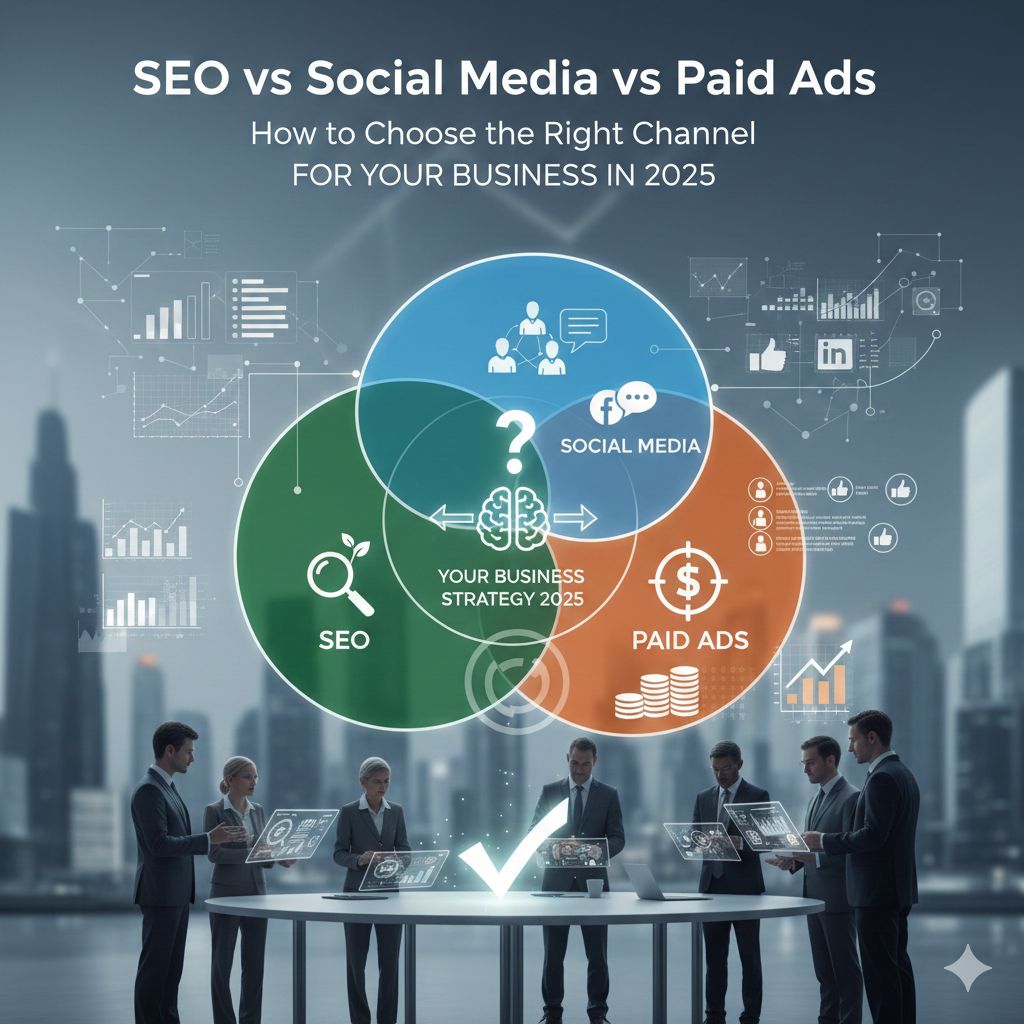
SEO vs Social Media vs Paid Ads: How to Choose the Right Channel for Your Business in 2025

Choosing the right marketing channel in 2025 can make a huge difference for your business growth. SEO, social media, and paid ads each have their strengths and best use cases. This blog breaks down what you need to know to pick the right one for your goals, budget, and audience. 1.Understanding Each Channel 2.When to Choose SEO 3.When to Choose Social Media 4.When to Choose Paid Ads 5.Combining Channels for Best Results Feature SEO Social Media Paid Ads Cost Low–medium Low–medium High Speed of Results Slow Medium Fast Best For Long-term traffic Community & Engagement Quick sales ROI Timeline 6–12 months 1–3 months Immediate Skill Required High Medium High Longevity Long Medium Short Frequently Asked Questions(FAQ)

Scroll to Top
CLICK TO CALL NOW